International Conference 2027

Envisioning Sustainable Global Futures:
Converging Perspectives from Business, Economics, Literature, Technology and Society
ICBELTS

12 & 13 February 2027

Organized by
St. Joseph's College of Commerce (Autonomous), Bengaluru, Karnataka, India

In Academic Collaboration With

Seattle University
United States
University of Economics and Finance
Vietnam
XBHEI
Xavier Board of Higher Education in India

St. Xavier's College (Autonomous)
Kolkata, India

ISDC
United Kingdom
Miles Education
India
Event Commences In
000
Days
00
Hours
00
Mins
00
Secs
Conference At A Glance
02
Days
04
Tracks
08+
Peer
Sessions
15+
Renowned speakers


A++
CGPA of 3.57/4
Ranked in Top
100
NIRF Ranking
10th
India Today ranking
11th
The Week ranking

About US

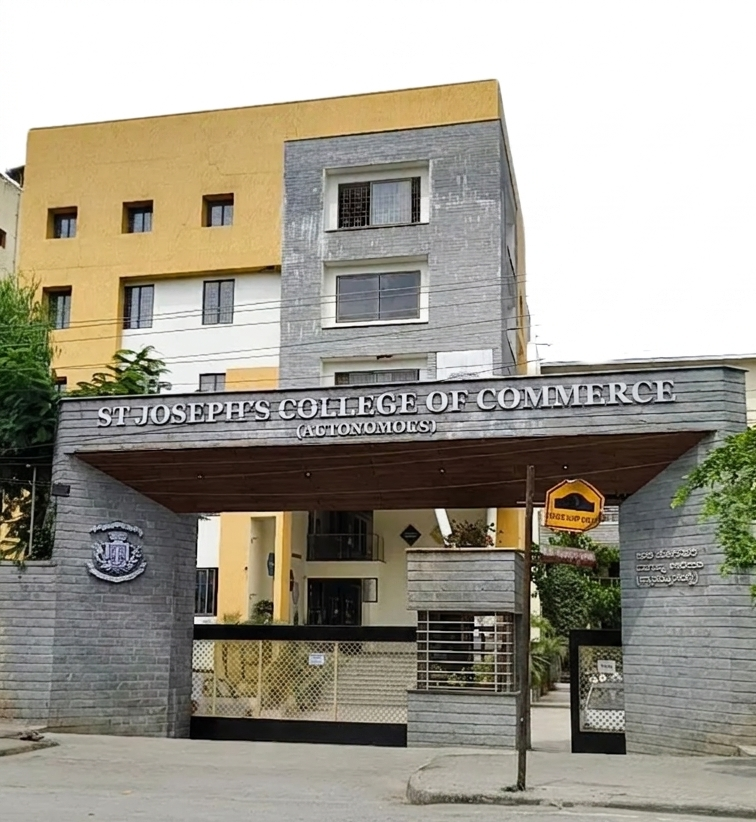
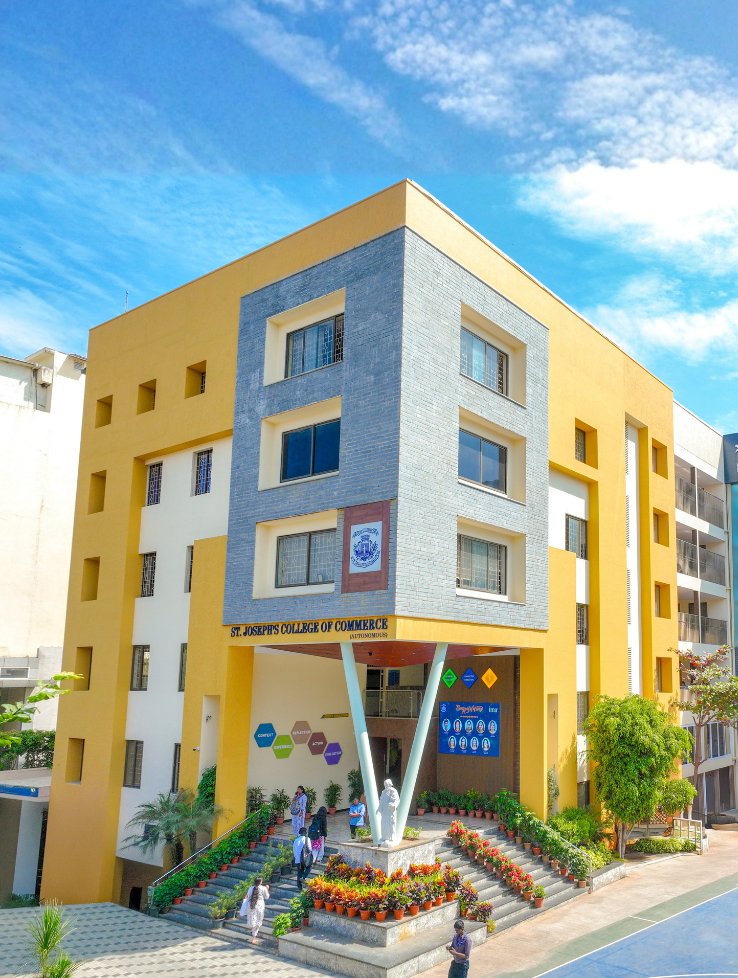
St. Joseph's College of Commerce (SJCC), formerly part of St. Joseph's College (Estd. 1882), is managed by the Bengaluru Jesuit Educational Society (BJES). The Commerce Department, started in 1949, became an independent college with its own building on Brigade Road in 1972.

The college has earned NAAC accreditation across four cycles — 'Five Stars' (2000), 'A' grade (2007 and 2012), and 'A++' (February 2021). SJCC is among the few institutions in India, and the first college in Karnataka, to secure A++ in the fourth cycle. It has featured in NIRF's top 100 colleges every year since the rankings began in 2017. In 2011, SJCC was recognised as a research centre by Bengaluru City University.

The college offers fourteen undergraduate and eight postgraduate programmes across Commerce and Accounting, Business Administration and Entrepreneurship, Economics and Data Analytics, and English, Psychology and Communication.

145+
Years of Legacy
To Know More About SJCC
College Building

Collaborating Institutions


The conference is held in collaboration with the following academic institutions and international organisations.

Seattle University Logo

Seattle University, Washington State, USA

Seattle University is a leading Jesuit, Catholic university in Seattle, Washington, founded in 1891, renowned for its commitment to academic excellence, holistic education, and the formation of ethical leaders dedicated to creating a more just and humane world. With over 140 academic programmes and a strong emphasis on experiential learning, the university prepares students to address global challenges with competence and compassion.

Seattle University shares a Memorandum of Understanding (MoU) with St. Joseph's College of Commerce (SJCC), fostering academic collaboration through guest lectures, faculty interaction, and opportunities for global engagement. The partnership is especially meaningful as both institutions are rooted in the Jesuit tradition, sharing a common ethos of academic excellence, service, and the development of socially responsible leaders committed to the common good.

St. Xavier's Logo

University of Economics and Finance, Vietnam

University of Economics and Finance (UEF), Vietnam, UEF is one of Vietnam’s prominent private universities with a strong international orientation, offering a broad portfolio spanning Business, Economics, Finance, Accounting, International Business, Digital Economics, Information Technology, Data Science, Artificial Intelligence, Cybersecurity.

With its modern campuses in Ho Chi Minh City and a growing network of international academic and industry partnerships, UEF has established itself as a dynamic and globally focused institution.UEF is part of a large and established higher education group in Vietnam, which also includes Ho Chi Minh City University of Technology (HUTECH), a prominent multidisciplinary technology university with strong capabilities in Technology, Engineering, IT and emerging technologies. This reflects the scale and breadth of the group’s higher education ecosystem.

St. Xavier's Logo

Xavier Board of Higher Education in India (XBHEI)

The Xavier Board of Higher Education in India (XBHEI), established in 1951, is the primary national association for Catholic higher education institutions in India. It connects over 400 member colleges, universities, and technical institutions to promote academic excellence, leadership, and gospel values.

It’s an Indian organ of International Federation of Catholic Universities (IFCU) with headquarter in Paris. It plays a pivotal role in offering inclusive and accessible education across India, spanning from rural areas to metropolitan regions.

St. Xavier's Logo

St. Xavier's College (Autonomous), Kolkata

Established in 1860 by the Society of Jesus ( Jesuits), St. Xavier's College (Autonomous), Kolkata is a premier institution committed to academic excellence, holistic education, and social responsibility. Guided by its motto, Nihil Ultra ("Nothing Beyond"), the College fosters intellectual growth and ethical leadership.

Accredited with NAAC A++ (4th Cycle), recognized as a College of Excellence, and granted UGC Special Heritage Status, it continues its 165-year legacy of excellence in education, research, and innovation.

ISDC Logo

ISDC (International Skill Development Corporation), London

ISDC (International Skill Development Corporation) is a leading international education and skill development organization headquartered in London, with major operations in India. It partners with universities and professional bodies to offer globally recognized qualifications, such as ACCA and CMA.

The organization operates across several verticals and offers programs embedded with professional bodies like ACCA and CMA. ISDC Works with various colleges to integrate international skill-based certifications into undergraduate and postgraduate degrees.

ISDC Logo

Miles Education, Bengaluru

ISDC is a leading international education and skill development organization headquartered in London, partnering with universities to offer globally recognized qualifications such as ACCA and CMA.

The organization collaborates with higher education institutions to integrate international skill-based certifications into undergraduate and postgraduate degree programs.


Conference Overview


A Multidisciplinary Platform for Sustainable Futures

The International Conference brings together a multidisciplinary platform of researchers, practitioners, policymakers, and industry professionals to explore pathways toward sustainable futures. It spans business, economics, technology, culture, and governance, focusing on migration, environmental degradation, and social transformation. The conference examines how sustainability trends drive environmental concerns, encourage equity, ethical governance, and responsible innovation and democratic resilience. Hosted in Bengaluru — the world's multicultural technology hub — it brings together diverse perspectives through keynote addresses, plenary sessions, and panel discussions to envision responsible enterprises, regenerative economies, humane technologies, and sustainable global futures grounded in ethical practice.

Today, businesses shape global orders through supply chains, trade, healthcare, and governance, while economies face the challenge of balancing growth with resource constraints amid rising protectionism. Simultaneously, technology — particularly Artificial Intelligence — is transforming labor, education, and governance, expanding opportunities while raising concerns about inequality, surveillance, and democratic values. Literature and the humanities remain vital in fostering critical thinking, empathy, and alternative imaginaries for more inclusive futures.

Addressing these interconnected challenges requires dialogue across disciplines. Sustainability extends beyond environmental concerns to encompass equity, ethical governance, and democratic resilience — themes the conference brings together across business, technology, human rights, and sustainable global practice.

The conference recognizes that the pursuit of sustainable global order demands collaborative action among academia, industry, and civil society, and international organizations. As the world confronts accelerating climate change, widening socio-economic inequalities, and geopolitical uncertainties, evidence-based research and policy solutions that transcend disciplinary boundaries are essential. By fostering meaningful dialogue across business, economics, literature, technology, and society, the conference seeks to generate actionable insights that contribute to resilient institutions, inclusive development, ethical technological advancement, and the achievement of the United Nations Sustainable Development Goals (SDGs). The conference aspires to cultivate a shared vision of sustainable global order.

Global Networking

Connect with peers worldwide.

01

Publication

Scopus-indexed proceedings & partner journals.

02
Conference Venue Bengaluru

Submission Guidelines


Steps in the Peer Review Process

Step 1
Authors submit their research papers by the specified deadline through an online submission system.
Step 2
The conference committee conducts an initial review to ensure submissions meet basic formatting and thematic requirements.
Step 3
Each paper is assigned to two reviewers who are experts in relevant fields. They evaluate submissions based on criteria such as:
  1. Originality
  2. Significance
  3. Methodology
  4. Clarity
Step 4
Reviewers provide constructive feedback and recommendations regarding acceptance or revision of the papers.
Step 5
Based on reviewer comments and scores, the conference committee makes final decisions regarding which papers will be accepted for presentation.
Step 6
Authors are notified of the acceptance or rejection of their submissions, along with reviewer comments for those requiring revisions.

Publication Ethics


To maintain the integrity and credibility of the research work, all Authors are expected to adhere to the following ethical guidelines:

  1. Originality: All submissions must be the original work of the authors and must not be under consideration or published elsewhere.
  2. Proper Citation: Authors must ensure that all sources and references are appropriately cited or quoted.
  3. Authorship Criteria: Each listed author must have made a significant intellectual contribution to the research and the preparation of the manuscript. A maximum of two co-authors is allowed.
  4. Plagiarism and Text Recycling: Plagiarism, self-plagiarism, and text recycling are strictly prohibited. However, if text overlap is unavoidable (e.g., in methodology), it must not exceed 10% of the manuscript, and proper citation must be provided where applicable.
Publication EthicsPublication Ethics

Templates


Download the templates below and prepare your manuscript to the specifications given.


Conference Sub-Themes


Commerce and Management

Transforming Commerce and Management in the Age of Technology, Innovation, and Social Transformation

view subthemes

  • Finance, Investment Management and Financial Markets
  • Banking Innovation, Financial Inclusion and Digital Financial Ecosystems
  • Insurance, Risk Management and InsurTech Innovations
  • Accounting, Auditing, Taxation and Regulatory Compliance
  • Sustainable Marketing, Brand Innovation and Consumer Ecosystems
  • Strategic Management, Corporate Governance, Business Ethics and Organizational Excellence
  • Business Ethics, Responsible Leadership and Corporate Citizenship
  • Human Capital, Future of Work and Organizational Transformation
  • Entrepreneurship, Family Business, SMEs and Innovation Ecosystems
  • FinTech, Digital Commerce and Platform-Based Business Models
  • Corporate Social Responsibility, Sustainability and Stakeholder Value Creation
  • International Business, Global Trade and Cross-Border Value Chains
  • Supply Chain Resilience, Operations Excellence and Sustainable Logistics
  • Indian Knowledge Systems, Indigenous Institutions and Business Wisdom
  • Artificial Intelligence, Innovation Management and Emerging Business Models
Economics

Global Economic Challenges and Opportunities: Rethinking Growth, Governance, and Development

view subthemes

  • Development Economics, Inclusive Growth and Sustainable Development
  • Public Policy, Governance, Public Finance and Institutional Transformation
  • Digital Economy, Digital Public Infrastructure and Economic Innovation
  • Macroeconomic Stability, Monetary Systems and Economic Forecasting
  • International Trade, Trade Policy and Global Value Chains
  • Foreign Investment, Capital Mobility and Financial Integration
  • Geopolitics, Economic Security and Global Economic Governance
  • Climate Change, Green Growth and Environmental Sustainability
  • Blue Economy, Orange Economy and Creative Economies
  • Labour Markets, Employment Dynamics, Future of Work and Human Capital Development
  • Behavioural Economics, Decision Sciences and Well-Being Economics
  • Artificial Intelligence, Big Data and Computational Economics
  • Open Economies, Globalization and Regional Integration
  • Urban, Regional and Infrastructure Economics
  • Indian Knowledge Systems, Indigenous Economic Thought and Sustainable Development Models
Literature & Society

Mapping Emerging Imaginaries and Sustainability in the Humanities

view subthemes

  • Climate Fiction, Climate Justice, Ecocriticism, and Sustainability
  • Narratives of Disaster, Labour, and Resilience
  • Indigenous Knowledges, Animals, and Multispecies Ethics
  • Utopias, Dystopias, Solarpunk, and Sustainable Futures
  • Space, and Techno-cultural Imaginaries
  • Postcolonial and Decolonial Futures, Globalization and Consumer Culture
  • Emerging Political Orders, Nationalism, Regionalism and Geopoetics
  • Surveillance, Control, Silenced Identities, and Liberation
  • Narratives of Invasion, Conflict, and Migration
  • Global and Local Narratives, Translation, and Multilingual Societies
  • Indian Knowledge Systems, Mythologies, Oral Traditions, and Folktales
  • Technology in the Humanities, Emerging Educational Paradigms, and New Literary Forms
  • Narratives of Illness and Care
  • Artificial Intelligence and Critical Thinking
  • Narratives of Invention, Innovation, and Trade, and Neo-Imperialism
Technology

Data-Driven Innovation and Emerging Technologies for a Sustainable Digital Society

view subthemes

  • Artificial Intelligence, Machine Learning and Intelligent Systems
  • Generative AI, Large Language Models and Cognitive Computing
  • Data Science, Big Data Analytics and Predictive Intelligence
  • Responsible AI, Ethics, Governance and Trustworthy Technologies
  • Cybersecurity, Privacy Engineering and Digital Risk Management
  • Internet of Things (IoT), Edge Computing and Cyber-Physical Systems
  • Cloud Computing, High-Performance Computing and Distributed Systems
  • Smart Cities, Digital Ecosystem and Urban Technologies
  • Digital Public Infrastructure, E-Governance and GovTech Innovation
  • Industry 5.0, Robotics and Intelligent Automation
  • Blockchain, Web3, Decentralized Technologies and Digital Assets
  • Sustainable Computing, Green Technologies and Climate Innovation
  • Quantum Computing and Future Computing Paradigms
  • Digital Health, Educational Technologies and Inclusive Innovation
  • Computational Social Science, Technology Policy, Indian Knowledge Systems and Technology for Sustainable Development

Disclaimer: The sub-themes listed above are indicative and not exhaustive; papers on any related area within the broad theme of the conference are also welcome.


Publication Opportunities


Papers accepted for presentation at the conference will be considered for publication in Scopus-indexed conference proceedings and/or partner journals, subject to the respective publisher's editorial review, peer-review process, and indexing policies.

Key Dates

Submission of Abstracts

On or before 15 September 2026

Notification of Acceptance of Abstract

On or before 25 September 2026

Submission of Full Papers

On or before 25 October 2026

Intimation of Acceptance of Full Paper

On or before 15 November 2026

Registration Closing Date

31 December 2026

Conference Date

12 & 13 February 2027

Registration Details


The registration fee is to be paid only after the acceptance of the paper.

Note: All authors must register, and certificates will be issued only to the registered authors. The conference fee includes a Conference kit, lunch, and refreshments for both days of the conference.

Accommodation: Accommodation can be arranged for outstation and international delegates on request, at an additional cost. Delegates requiring accommodation may write to internationalconference@sjcc.edu.in at the time of registration.


CATEGORY Indian Nationals Foreign Nationals
Industry Professionals ₹10,000 $300
Faculty / Academicians ₹8,000 $150
Research Scholars / PG Students ₹7,000 $100
Co-Author ₹4,000 $80
Participant ₹2,000 $50

Register for the Conference

All authors must register. Abstracts are due 15 September 2026 and full papers 25 October 2026.

Resource Persons

Renowned Speakers confirmed for the Conference


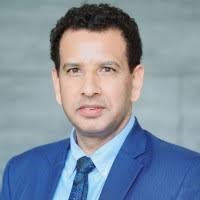
Dr. Ian Fookes

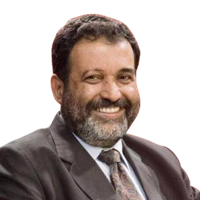
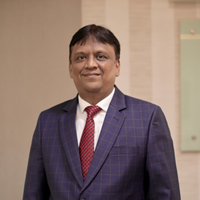
Mr. Mohandas Pai

Chairman, Manipal Global Education Services, Aarin Capital & Aarin Capital, India


Olga Sara, MA CMgr FCMI

Global Commercial Director, Institute of Analytics, United Kingdom


Meena_Rishi

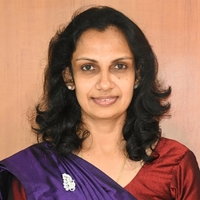
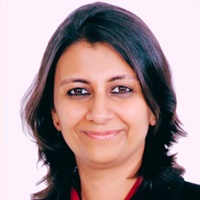
Dr Meena Rishi

Professor, Department of Economics; Howard J. Bosanko Professor of International Economics and Finance, Seattle University, United States


MrJimmy Anklesaria

Mr. Jimmy Anklesaria

Founder, Anklesaria Group, Inc., Del Mar, California, United States


Mr. Gordon F. van der Veen

Senior Academic & International Business Consultant; Professor of Management Consulting, Lauder Business School, Vienna, Austria


CA. K. Raghu

Former President, Institute of Chartered Accountants of India (ICAI) & Senior Partner, K. Raghu & Co., India


CA. Vinay Mritunjay

Co-founder, Incorp Advisory Services Pvt. Ltd.; Senior Partner, Vinay & Keshava LLP; Treasurer, Karnataka State Cricket Association, India


CA. Shankar Jaganathan

Author, Independent Director & Passionate Student of Corporate Governance and Sustainability, India


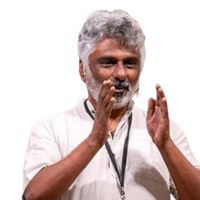
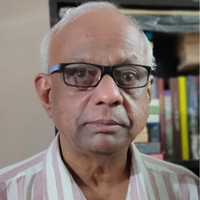
Professor N. Manu Chakravarthy

Academician, writer, and cultural critic


Dr. Anitha V

Professor, Department of Economics
University of Kerala


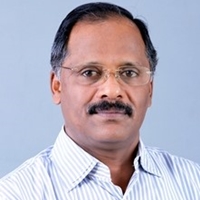
Professor K. J. Joseph

Director, Gulati Institute of Finance and Taxation (GIFT)


Prof. K.M.R. Karunarathna

Department of Economics & Statistics University of Peradeniya, Sri Lanka


Professor P. Arunachalam

Former HoD CUSAT, Fellow IIAS, Government of India


Dr. Firdous Ahmad Malik

Assistant Professor, People University, US


Prof. Kashyap Kompella

Adjunct Professor of AI Governance
BITS Law School, Thane

Organizing Committee

Administrators

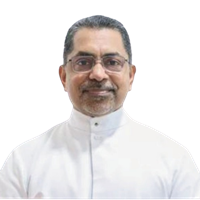
Dr. Daniel Fernandes, SJ
Vice President, BJES
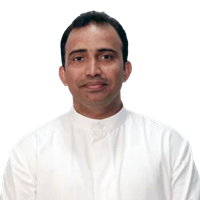
Dr. Charles Lasrado, SJ
Principal, SJCC
Fr. Joel Fernandes, SJ
Finance Officer
Mr. Raj A. Sadhwani
Registrar
Dr. Rathi David
Vice Principal (Shift 1)
Mr. Vinay Kambipura
Vice Principal (Shift 2)

Convenors

Dr. Ruqsana Anjum
Convenor
Dr. Jincy Mathew M
Co-Convenor

Advisory Board

Dr. Manoj Kumar Nallapaneni
Maastricht University, The Netherlands
Dr. Sunrita Dhar Bhattacharjee
Associate Professor, Anglia Ruskin University, Cambridge
Dr. Amandeep Schmi
Assistant Dean & Program Director, Canterbury Institute of Management, Melbourne, Australia
Dr. Benedict Valentine Arulanandam
Dean, Nilalai University, Malaysia
Dr. C. Ganeshkumar
Associate Professor, University of Hyderabad
Prof. Dr. A. Balakrishnan
Professor & Head, Pondicherry University
Dr. K. Thiyagu
Associate Professor, Central University of Karnataka
Dr. J. Daniel Inbaraj
Assistant Professor, IIM Raipur
Dr. C. A. Sanjib Kumar Basu
Associate Professor, St. Xavier's College (Autonomous), Kolkata
Dr. Ravi Shekhar Vishal
Assistant Professor, Sikkim University


Members


Dr. Veenu Joy
Associate Professor
Dr. Suganthi Pais
Associate Professor
Dr. D. Raja Jebasingh
Associate Professor
Mr. Z. Mohammed Ashfaque
Assistant Professor
Ms. Sumithra Sreenivasan
Assistant Professor
Dr. Nischitha K.
Assistant Professor
Dr. Neeti Roy
Assistant Professor
Dr. Sridhar L. S.
Assistant Professor
Mr. Thomas Mathew
Assistant Professor
Mr. Vinay Pradeep C.
Assistant Professor
Dr. Vedapradha R.
Assistant Professor
Ms. Natya Bopanna
Assistant Professor
Dr. Jhumur Samaddar Roy
Associate Professor
Dr. Rakesh Nadig
Assistant Professor
Dr. Emil Joseph
Assistant Professor
Dr. Shanu N. Nazar
Assistant Professor
Dr. Aruna Parandhama
Assistant Professor
Dr. Savitha
Assistant Professor
Mr. Sanjay Prajapat
Assistant Professor
Dr. Rekhapriyadharshini
Assistant Professor
Dr. Danish Khan
Assistant Professor

Workshop / Plenary Session


Details of the workshop and plenary sessions will be announced shortly.
Please check back, or write to us to be notified.

Contact Us

Get In Touch

Address

St. Joseph's College of Commerce (Autonomous),
163, Brigade Road, Bengaluru, Karnataka – 560025

Open in Google Maps
Contact Us

1. Dr. Jincy Mathew M   +91 87620 54317

2. Mr. Sanjay Prajapat   +91 96941 52363

3. Dr. Danish Khan   +91 78696 09958

Website
www.sjcc.edu.in
Send a Message